Everything worth knowing about lab-grown diamonds — the 4Cs, shapes, fancy colours, cut geometry, and IGI certification — in one place. Learn it here, then head to the catalog or open a Diamo Invest wallet with confidence.
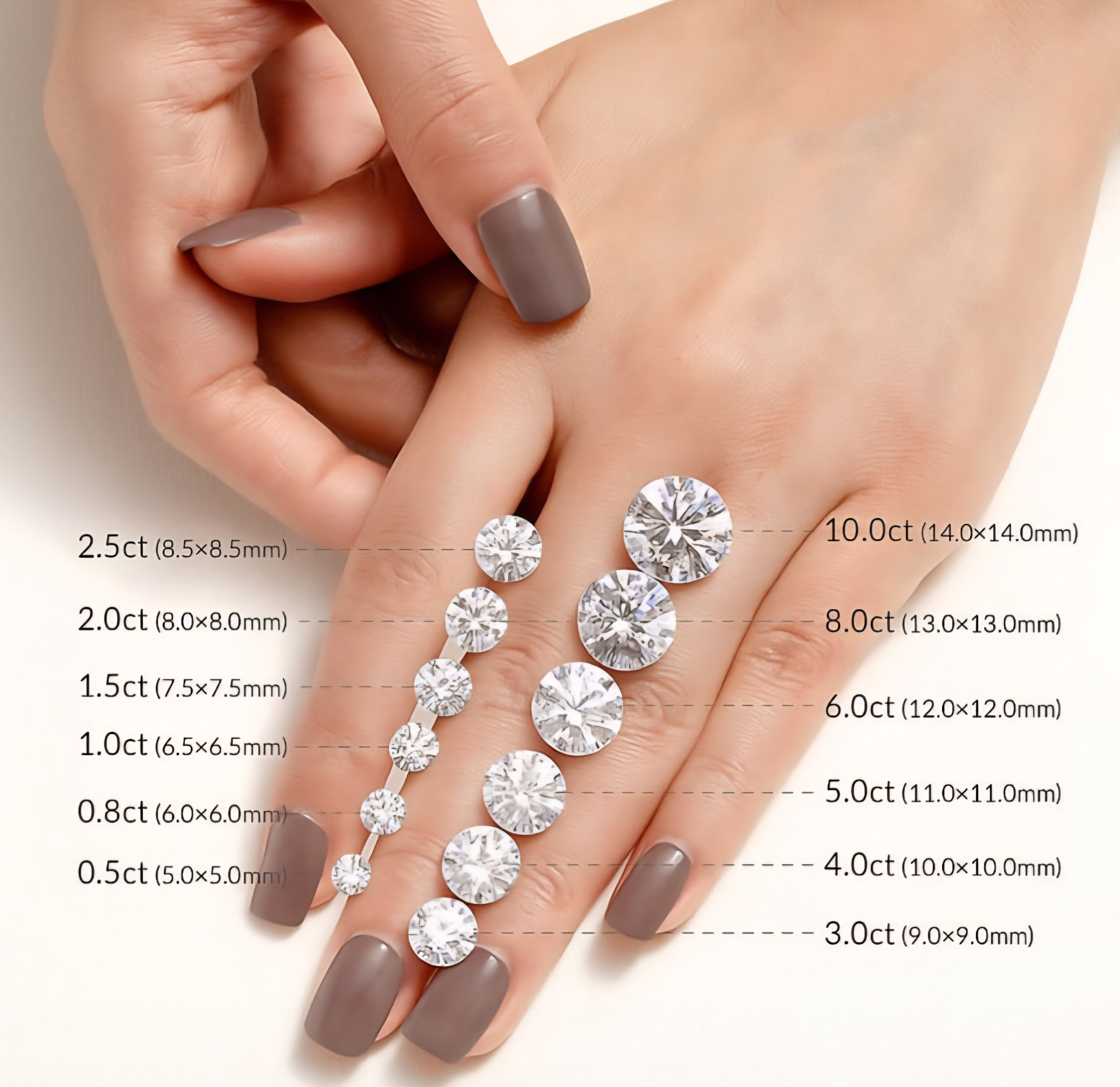
Carat, on a hand
How each carat weight actually reads on a finger — from a delicate 0.5 ct (5.0 mm) to a statement 10 ct (14.0 mm). Size scales slower than weight.
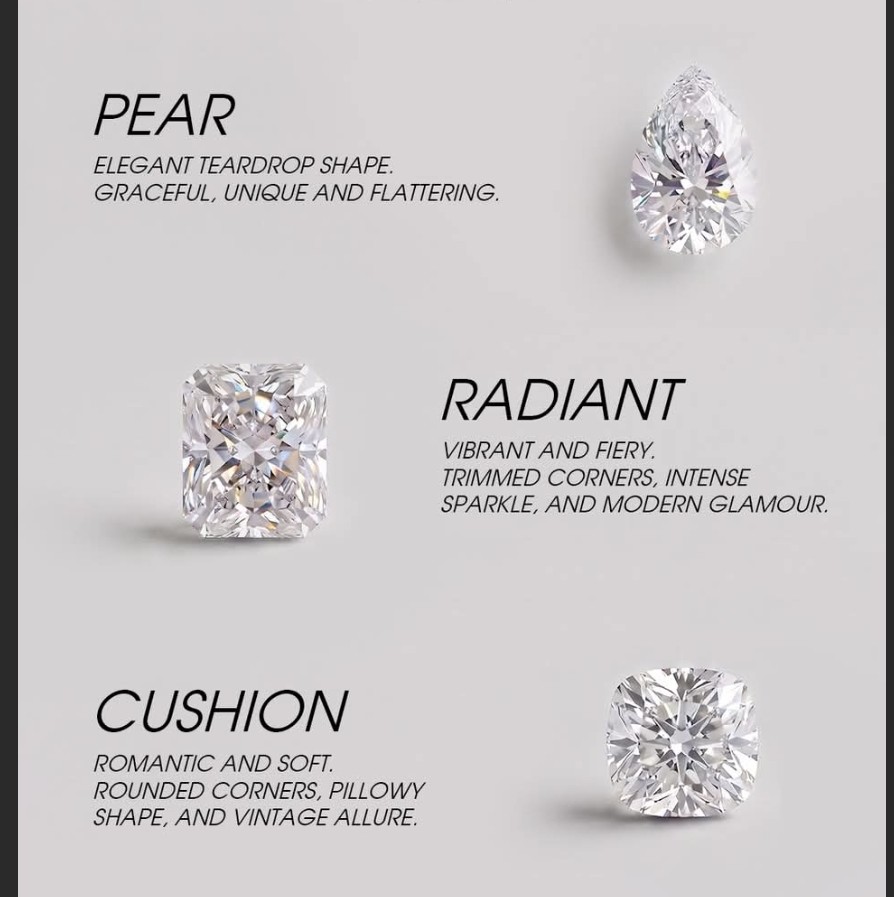
Pear · Radiant · Cushion
Teardrop elegance, modern fire, vintage softness. Three shapes that read very differently in the same carat weight.
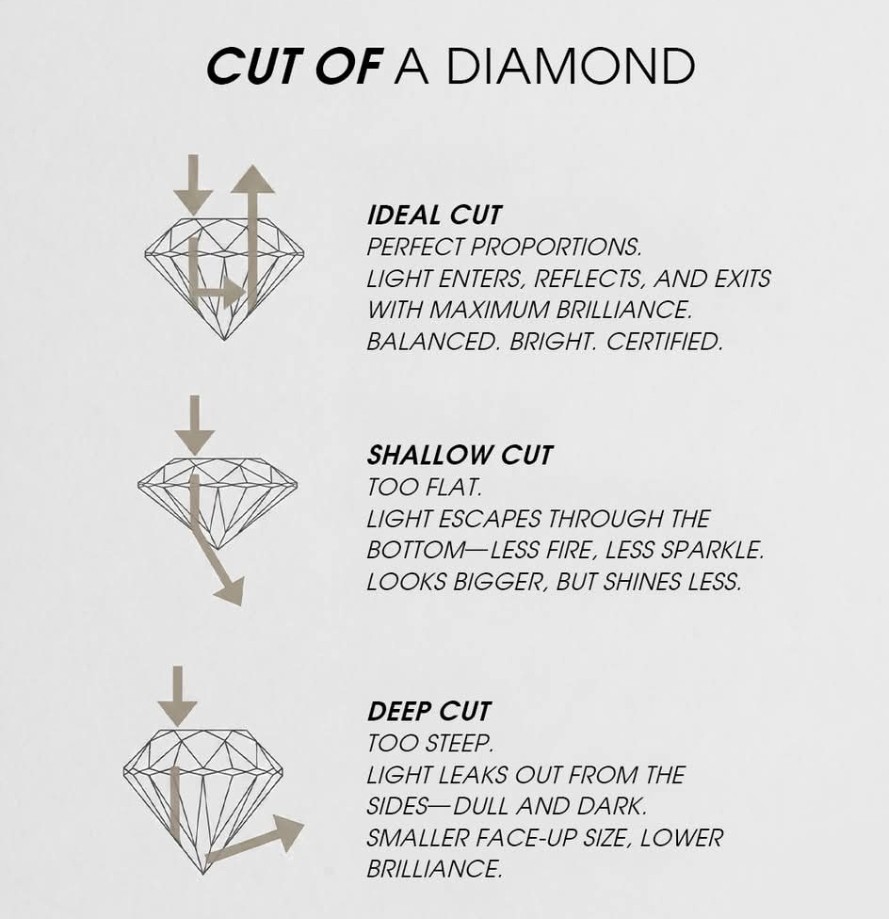
Cut quality, illustrated
Ideal cuts return maximum light. Shallow stones look larger but leak fire; deep stones swallow it. Always certified.
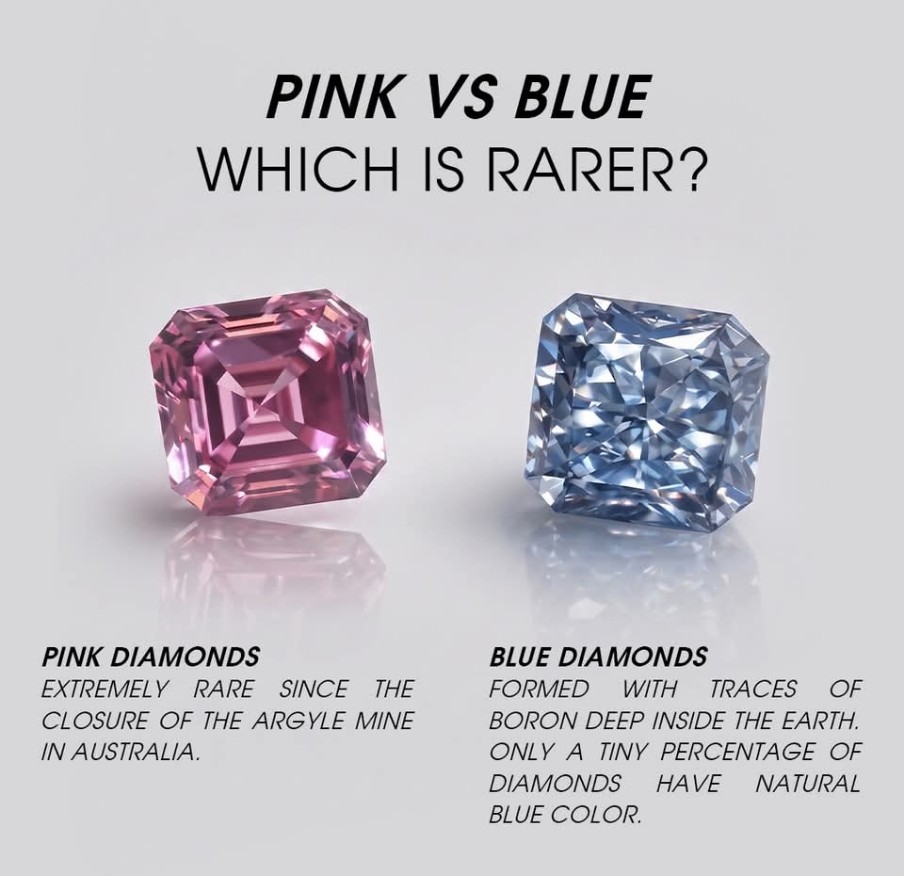
Pink vs blue — rarity
Fancy colours sit at the top of the value pyramid. Argyle pink and boron-blue stones are mined in fractions of a percent.
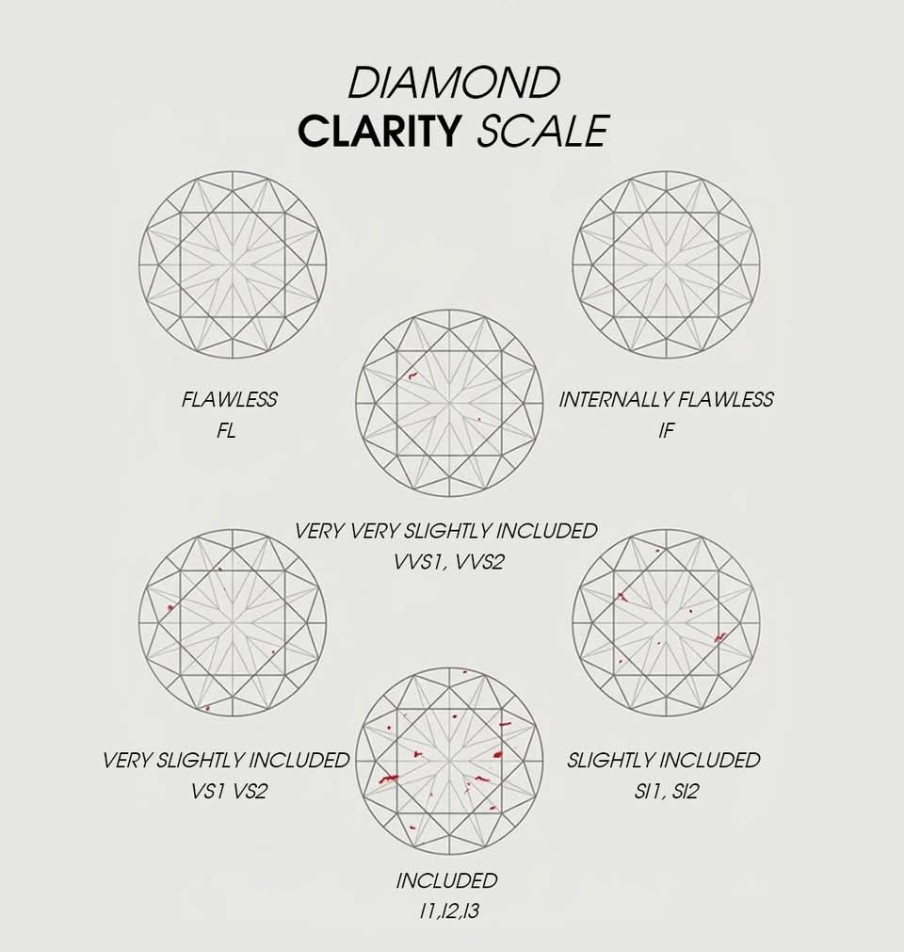
Clarity scale (FL → I3)
From flawless to included. The fewer the inclusions a stone holds under 10× magnification, the rarer and more brilliant it reads.
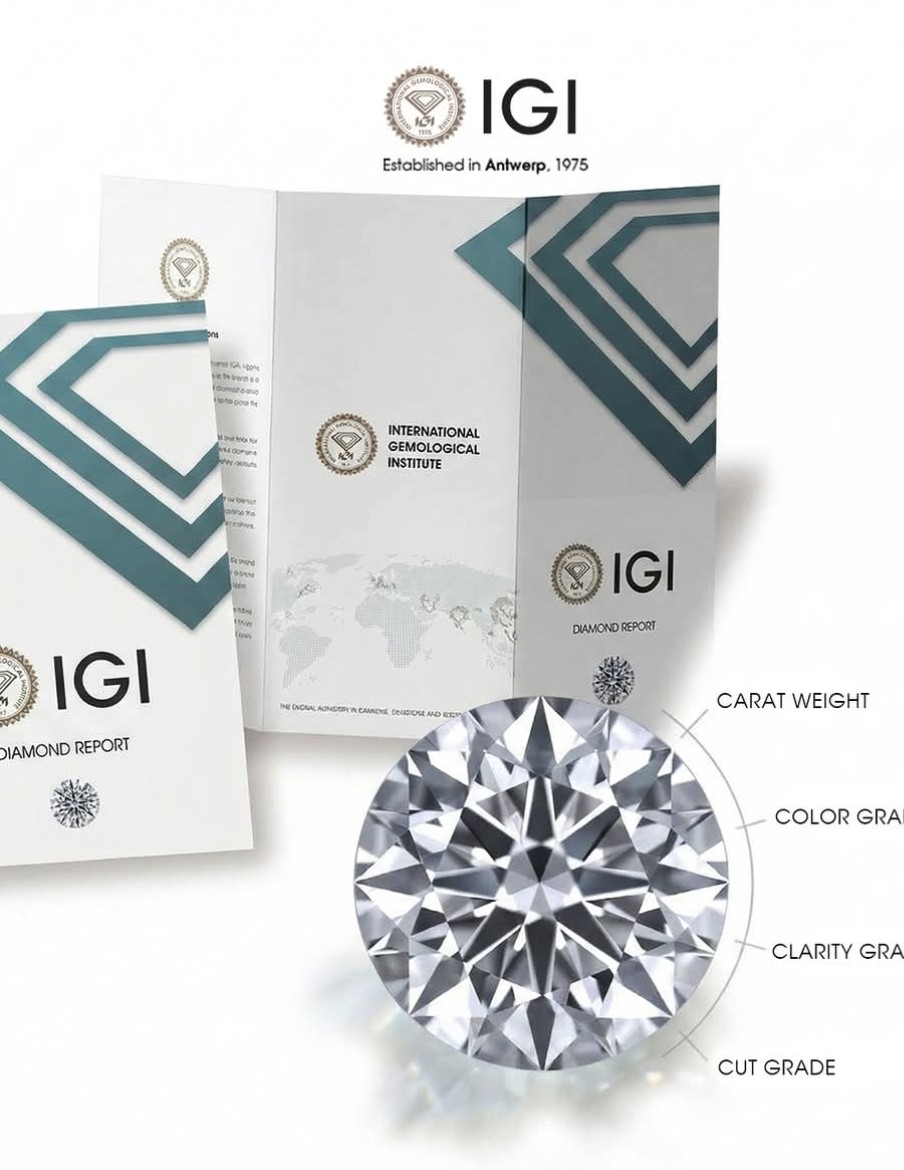
Every stone certified by IGI
Antwerp, 1975. Each diamond we ship carries an IGI report covering carat weight, colour, clarity and cut grade.
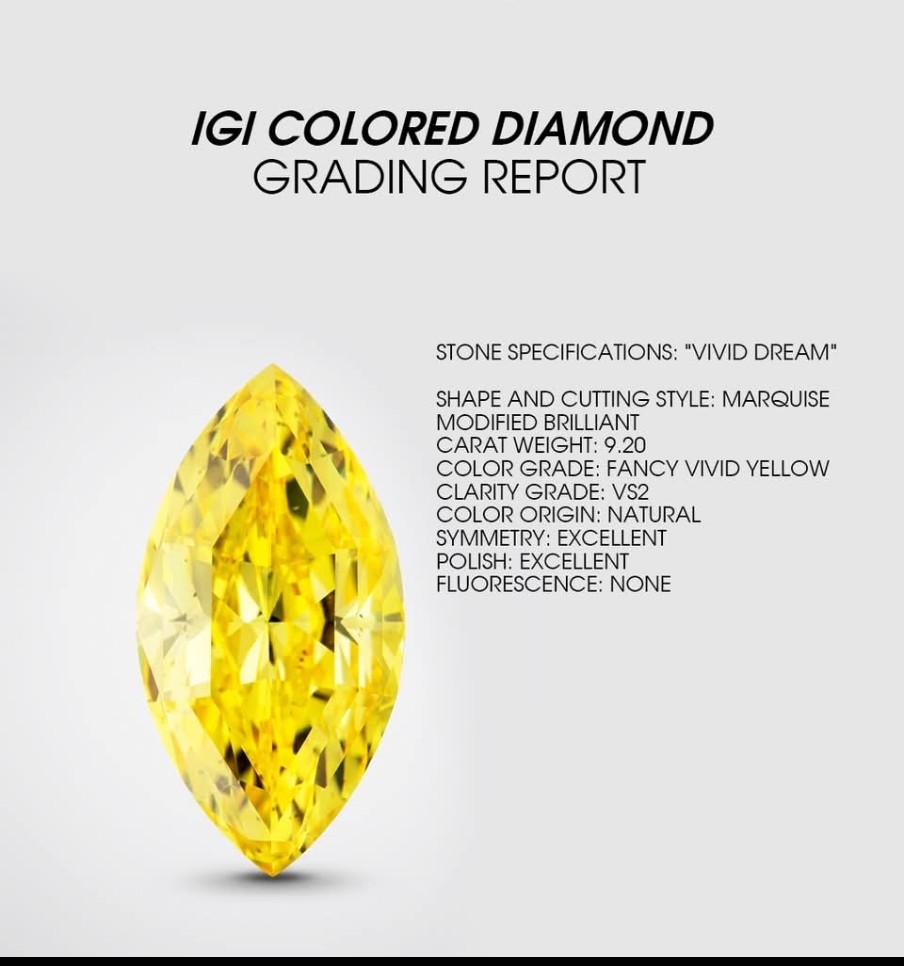
Fancy colour grading
Coloured stones get their own report. Origin (natural vs treated), saturation, symmetry, polish and fluorescence all priced in.
Watch & learn
Two short films.
The 4Cs · colour & clarity
The 4Cs framework for grading colour (D–Z) and clarity (IF–I3).
How lab diamonds are grown
CVD reactors turn a carbon seed into a rough crystal in weeks.
What actually matters
Four things buyers wish they'd known first.
Beyond the 4Cs, four decisions do most of the work — what a diamond actually is, how much stone your budget really buys, where it comes from, and which grades are worth paying for.
01Real diamonds
A diamond — not a simulant.
Lab-grown diamonds are pure crystallised carbon: same hardness (10 Mohs), same refractive index (2.42), same fire and brilliance as a mined stone. They pass every diamond tester. Moissanite (silicon carbide) and cubic zirconia (zirconium dioxide) look similar to the eye but are chemically different materials. If it isn't grown or mined carbon, it isn't a diamond.
Same crystal · same optics · IGI graded
02Same budget, bigger stone
Carat weight you can actually see.
For the same colour, clarity and cut grade, a DIAMO ELITE lab-grown diamond typically lands 2–3× larger on the hand than a mined equivalent at the same price. You aren't paying for the scarcity of the mine — you're paying for the crystal itself. The result reads bigger, brighter and better proportioned at every budget.
≈ 2 ct lab-grown ≈ price of 0.5 ct mined
03Ethically sourced
No mining. No conflict. Fully traceable.
Every DIAMO ELITE stone is grown in an IGI-audited facility with a documented origin — no displaced communities, no conflict-financing risk, no cross-border traceability gaps. Growing a diamond uses a small fraction of the land, water and energy that industrial mining requires. Same beauty, dramatically lighter footprint.
Traceable origin · zero-mining supply
04Colourless quality
85%+ of our inventory is D–F, VS1+.
We deliberately narrow inventory to the top of the grading scale: colourless D–F, VS1 or better in clarity, and an Excellent cut grade. Below G, colour starts to warm perceptibly; below VS2, inclusions begin to catch the eye. Above D and above IF, you pay a premium no one can see. This is the range that reads white, bright and eye-clean.